
- Faculty
- Prof. Tapan K. Chaudhuri ; Prof. Bimal K. Das
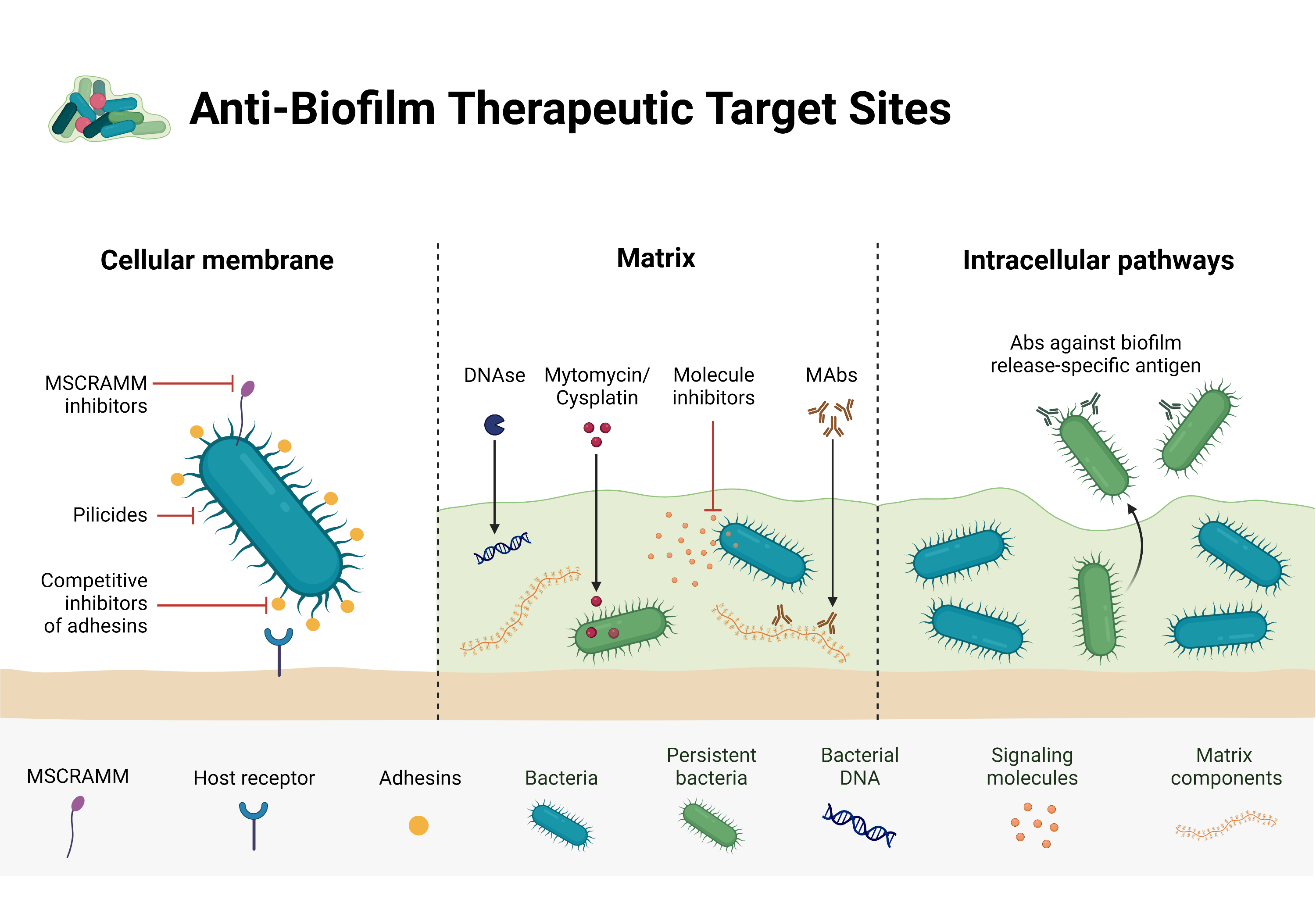
Antimicrobial resistance (AMR) has emerged as a grave threat to global public health, necessitating urgent attention and collective action. AMR occurs when microorganisms, including bacteria, viruses, parasites, and fungi, resist the drugs designed to treat them, rendering previously effective treatments ineffective. This phenomenon not only compromises the ability to treat common infections but also undermines the success of medical procedures such as surgeries, chemotherapy, and organ transplants. Multiple factors are responsible for antimicrobial resistance (AMR). One of the factors is that Biofilms play a significant role in the development and persistence of antimicrobial resistance. In Biofilm development, quorum sensing is a vital intelligence system that promotes invasion, infection, drug resistance, and pathogenicity. In recent research, different therapeutic proteins have been proven particularly efficient in treating biofilm-based infections. Proteases are reported to show inhibitory activity against biofilm formation without any effect on the viability of bacteria. Serratia protease is shown to have maximum antibiofilm activity against biofilm formation in all reported proteases. Research reports (Artini et al. 2015) also suggest that the biofilm dispersal activity of Serratia protease is not related to its protease activity but completely independent. These initial data from various research works indicate that the protein molecule could be the initial template for designing novel antibiofilm molecules. In this study, we are Utilizing domain-based segmentation; further structural and site-directed mutagenesis-based approaches could help us predict the exact segment responsible for the anti-biofilm activity. The identified part could further be engineered and screened for its enhanced antibiofilm activity against biofilms in vitro- in bacterial biofilm models (ESKAPEE). The outcome of the project would possibly be a new small protein-based molecule having potent antibiofilm activity but less immunogenicity (since it is engineered and smaller in size) and better than using proteases itself (broad specificity, adverse effects, blood dilation, and severe immunogenic responses)